Having a successful course fishing trip starts with a little planning beforehand. Often fishermen will make a long journey to enjoy a particular fishing spot, so arriving half-prepared is a recipe for disaster. We have put together 5 tips to ensure you enjoy a successful course fishing trip time after time.
1. Know the Lay Of The Land
Understanding the fishing destination will pay dividends. Turning up with unsuitable gear is to be avoided at all costs. Course fishing has many branches and specialities, this in turn can bring confusion over the required gear so be sure to check out the destination using reviews and other online media to help you decide how best to repair for a particular venue. Knowing the species you will be fishing for and the bank and water conditions helps towards ensuring you are well prepared.
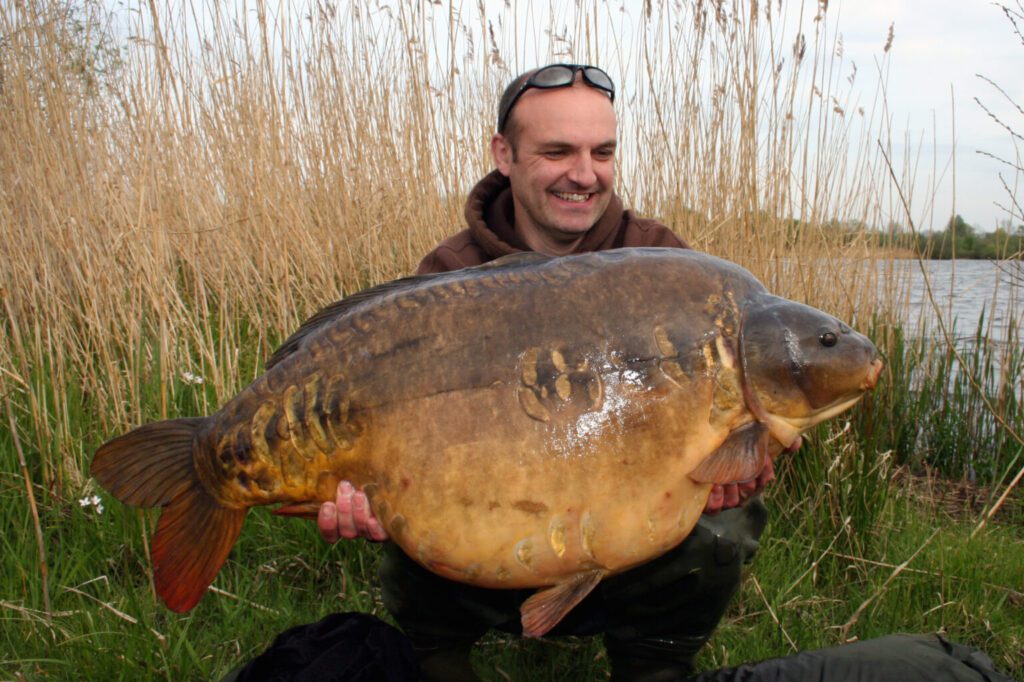
2. Bait
Having the correct bait can be the one choice that has the greatest effect on the success of the trip. Choosing appropriate high-quality bate for the species of fish you are aiming for will dramatically increase your chances of success. It’s often better to plan ahead, looking for Carp bait deals beforehand gives you the chance to choose the right bait from the comfort of your home. Also know that not all bait needs to be kept in the freezer, shelf life baits incorporate a preservative which means they can be stored at room temperature. Keeping a pack or two with your fishing gear means you are never without options.
3. Check the Weather
The UK can come up with some changeable weather, so make sure you know the forecast before you go. Safety is always to be taken seriously when planning a fishing trip and setting off to find the weather is not what you expected can wreak havoc with your day and even put your life at risk. Be mindful of the temperature and dress appropriately. Obviously taking waterproofs is imperative if there is the least chance of rain. Multiple layers of clothing can keep you warm better and give you more versatility than a couple of thicker layers. Warm clothing can be heavy so look into modern lightweight thermal fabrics that retain heat but remain very low in weight. Even when it’s sunny, be prepared with sunblock as you will be spending extended periods outside and it plays to be safe.
4. Take Plenty To Eat And Drink
Remember to take a good meal with you and plenty of snacks as fishing can be surprisingly demanding and being well-fed will give you the energy you need. Hydration is really important too, we should be drinking at least 2 litres of water a day to stay healthy. Use plastic food containers that are watertight to keep your meals and snacks fresh and safe from any contamination. Being well-fed and watered will help keep you alert and give you the best chance of a successful course fishing trip.
5. Leave Early, Or Go Late
The best times for fishing are often early in the morning and late in the evening. Fish tend to be at their most active at the beginning and end of the day. You could of course arrive early and stay all day, this is a great way to maximise the time you get to actually fish. As we all know getting set up takes time, so making the most of it and getting as long as possible actually fishing makes perfect sense.
Always put your safety first when fishing, plan well and take a positive attitude to ensure you have enjoyable course fishing trips every single time.
*collaborative post

About Debz Louise
Debz Louise is a UK-based lifestyle expert and the founder of several lifestyle blogs, including Wannabe Princess and Under 5s. Specializing in everything from interior design and home renovation to body-positive fashion and early years development,