Your bedroom should be your personal sanctuary—a space where you can truly switch off from the outside world. Yet, most of us rarely stop to consider how much our physical surroundings dictate the quality of our rest.
While investing in a supportive mattress and bed frame is a foundational first step, it is only part of the sleep equation. The colours on your walls, the layout of your lighting, and the textures surrounding you all interact with your nervous system, either helping you unwind or keeping your brain on high alert.
How to Create a Calming Bedroom
Whether you are looking for mature decor upgrades or simple ways to inject a sense of peace into your space, this guide covers the exact adjustments you need to make to sleep better night after night.
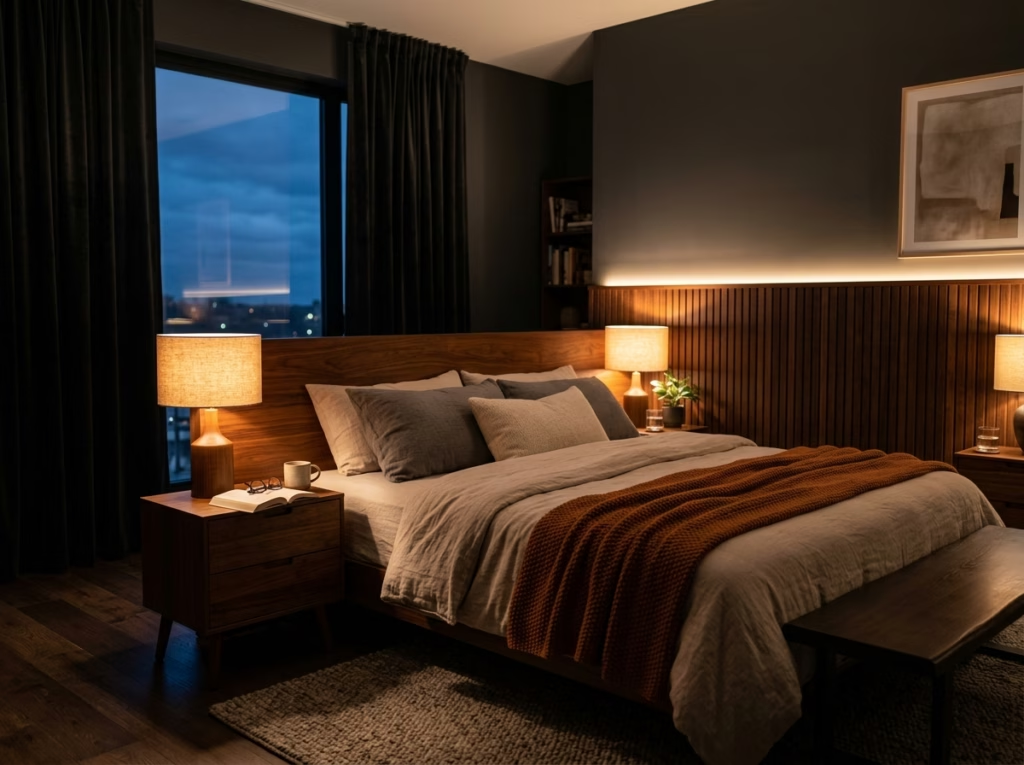
1. Choose Calming, Low-Stimulation Colours
The colour of your bedroom walls does more than complement your furniture; it actively influences your circadian rhythm (your biological clock) and heart rate before you drop off to sleep.
- Neutrals: Warm neutrals like beige, taupe, and soft cream work beautifully in cooler, north-facing rooms. Cooler neutrals with bluish-grey undertones balance the intense, bright light of south-facing spaces.
- Blue (The Ultimate Restorative Shade): Research from the University of Sussex indicates that deep blue tones are highly effective at promoting psychological relaxation. Deeper navy shades help lower blood pressure and slow the heart rate, making them perfect for winding down.
- Green: Its organic connection to nature makes it instantly grounding. Sage, forest, and muted botanical greens excel at creating low-stress environments.
- Pastels and Muted Earth Tones: Muted pinks, delicate lavenders, and soft terracotta offer a subtle touch of character without overstimulating the visual cortex before bed.
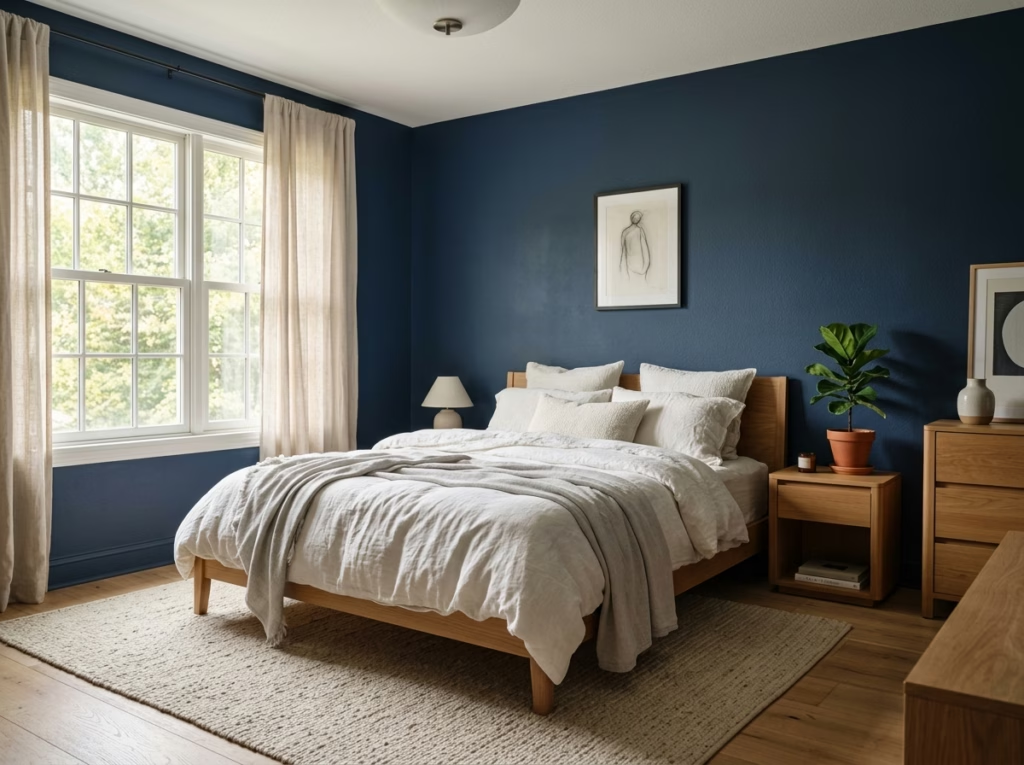
Expert Paint Tip: Always opt for a flat or matte paint finish over a glossy one. Glossy surfaces reflect light sources and create glare, which stimulates brain activity—the exact opposite of what you want when trying to sleep.
2. Master the Evening Lighting Wind-Down
Good lighting design can make or break a bedroom’s sleep potential. The primary goal is to use layered lighting—combining ambient (ceiling fixtures), task (bedside reading lamps), and accent (warm LED strips)—to mimic the natural setting of the sun.
To signal your brain to start producing melatonin (the sleep hormone), follow this progressive evening routine:
- The Twilight Transition: 2 Hours Before Bed.
Dim your main ambient overhead lights. If you use dimmer switches, drop the output down to roughly 10 lux to recreate natural twilight conditions. This reduction can also lower your annual lighting energy consumption by up to 40%.
- Switch to Warm Spectral Tones: 1 Hour Before Bed.
Turn off overhead lights completely and rely solely on bedside lamps. Use bulbs with an amber hue (1600K–1700K). For an even deeper sleep prep, use red spectrum bulbs (1000K), which contain zero blue or green wavelengths, completely protecting your melatonin production.
- Achieve Total Blackout: Sleep Time.
Draw thick blackout curtains to eliminate external streetlights. Ensure all electronics, screens, and notification lights are turned off or removed from the room entirely.
The Impact of Sound: Beyond blocking light, heavy blackout curtains feature dense, tightly woven fabrics that help dampen ambient noise. Studies show that acoustic control in bedrooms significantly decreases sleep disruptions, dropping average micro-arousals from 15.1 down to 11.9 per hour.
Curate Organic Decor, Scents, and Plants
The textures and materials you place around your bed dictate your microclimate and comfort. Natural materials like solid wood, bamboo, rattan, and linen naturally harmonise with one another while helping regulate room temperature and air humidity.
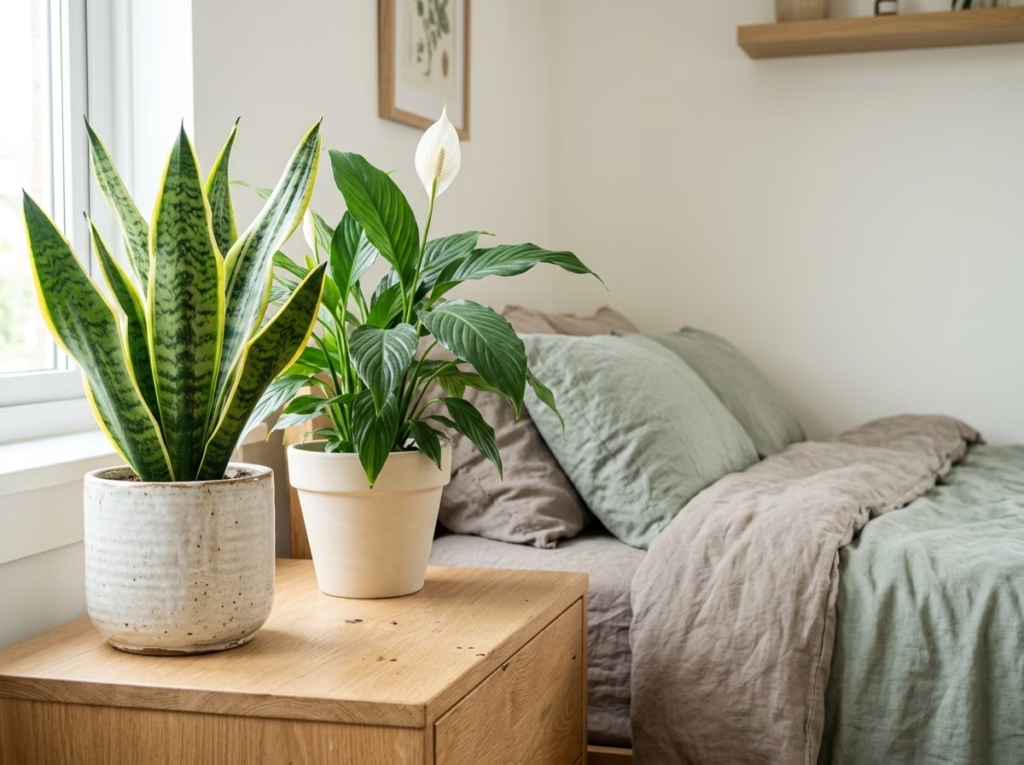
To elevate your sleep space into a true wellness sanctuary, prioritise specific, functional natural elements:
| Element | Category | Primary Sleep Benefit | Best Placement Strategy |
| Snake Plant / Aloe Vera | Houseplant | Absorbs airborne toxins (formaldehyde) and releases fresh oxygen all night. | Position on a dresser or near the foot of the bed. |
| Peace Lily | Houseplant | Increases localised room humidity by up to 5%, easing nocturnal breathing. | Place on a windowsill or nightstand. |
| Lavender | Scent / Plant | Universally proven to reduce heart rate and blood pressure levels. | Use via essential oil diffusers or a fresh sprig near the pillow. |
| Jasmine | Scent | Releases organic scent compounds shown to actively reduce anxiety. | Best introduced via reed diffusers on an entry table or dresser. |
Clear the Visual Clutter
A chaotic room leads to a chaotic mind. Research from St. Lawrence University directly links high levels of bedroom clutter to poor sleep quality and increased night-time anxiety. Keep your bedside surfaces entirely clear, utilising minimalist storage baskets or under-bed drawers to keep everyday items out of sight.
Conclusion
Creating a sleep-optimised bedroom doesn’t require a total overhaul overnight. Start small: change a couple of lightbulbs to a warmer colour temperature, introduce a single air-purifying plant, or clear off your nightstand. Step by step, these minor environmental changes accumulate into a profound transformation in how deeply and quickly you rest.

About Debz Louise
Debz Louise is a UK-based lifestyle expert and the founder of several lifestyle blogs, including Wannabe Princess and Under 5s. Specializing in everything from interior design and home renovation to body-positive fashion and early years development,