Looking after trade tools is a great way to ensure a tradesperson turns as much of their working day into money as possible. Trade tools must perform each and every time they are needed, ensuring this is a multi-step process. Buying quality professional brands is a great start, manufactures of these tools know the features a tradesperson will be looking for and although the initial expense is higher, over time with the improved task speed and tool longevity. Once the investment has been made it is well worth looking after trade tools so they give your their best performance. Here are 4 great ways you should look after your trade tools.
1, Suitable Storage
Looking after trade tools starts with suitable storage. Often a tradesperson will need various different power and hand tools to carry out their daily tasks. Often tools will come in their own storage cases, professional tools tend to come with more versatile storage systems. Often sticking to one make of power tool can ensure the storage boxes stack and store well, both in transit and at the job site. For loose trade tools, a tote-type tool bag or box is often preferred. But many trades now require technology tools alongside their regular equipment and these can require padded or protective cases during transport and storage. Good storage that works well to protect your tools is one of the best investments you can make when looking after trade tools.
2, Keep Up Maintainance Routines
Often trade tools will come with few instructions over the tasks that can be achieved with the tool, and a tradesperson is likely to be well versed in their capability and operation. However, most trade tools come with simple maintenance instructions. For an SDS drill as an example, you might expect to find a list of checks before using the tool including checking the condition of the plug and power lead, this is for your own safety. Alongside safety-focused checks will be maintenance tasks like how often to grease the chuck and how to check the tool’s electrical motor brushes for wear.
All tools should be kept clean and dry, often a simple wipe before returning them to their storage box is all that’s needed. The next important maintenance task is any lubrication required. Most tools with moving components require lubrication. Pivots and sideways employed on chop saws are good examples, your tools may function ok without regular lubrication but they will wear out far quicker.
Looking after trade tools sometimes requires parts to be changed, either because they have failed or have reached the end of their service life. Choosing genuine replacement parts will ensure the tool is returned to the same performance as intended by the manufacturer. Where you do not feel confident to carry out servicing or repairs, a trade tools service and repair specialists costs are often worthwhile when compared to the tools replacement costs.
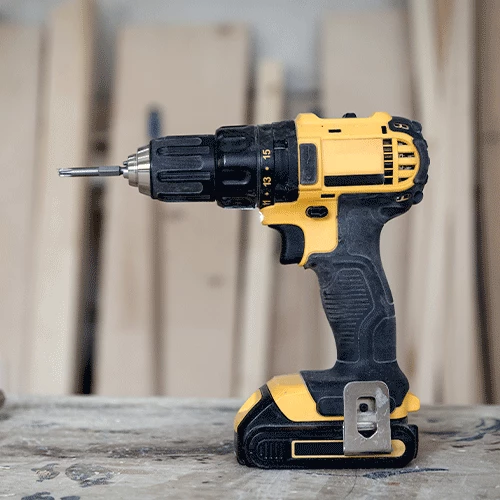
3, tradesperson tool insurance
For all trades, being without your tools means being without your source of income. With a tradespersons tools having to be transported to each job site, the potential for theft or damage. Tradesman tool insurance is an excellent way of mitigating the risk posed to your income by theft or accidental damage. Good tool insurance will cover the cost of repair or replacement of your trade tools should they be either lost or damaged while being loaded, temporarily housed or unloaded from your vehicle. The cost of insurance is small when compared with the replacement costs of modern trade tools, and negligible when compared to the likely loss of income for a tradesperson in the unfortunate position of having stolen or damaged tools.

4, PPE
Although not directly looking after your trade tools, PPE or Personal Protective Equipment ensures that you remain safe while using them. If you are injured it does not matter how well you look after your trade tools, you will be unable to use them. So always select appropriate PPE for the task at hand and the tools involved.
*collaborative post

About Debz Louise
Debz Louise is a UK-based lifestyle expert and the founder of several lifestyle blogs, including Wannabe Princess and Under 5s. Specializing in everything from interior design and home renovation to body-positive fashion and early years development,