Introduction to Meditation and Inner Peace – In our fast-paced and hectic world, finding inner peace and tranquility can often feel like an elusive goal. However, there is a powerful tool that can help us achieve a relaxed state of mind and body – meditation. Meditation has been practiced for thousands of years and is known for its numerous benefits in promoting overall well-being. In this article, we will explore the transformative effects of meditation, backed by scientific evidence, and learn different techniques to start and incorporate meditation into our daily lives.
Benefits of meditation for a relaxed mind and body
Meditation offers a wide range of benefits for our mental and physical health, ultimately leading to a relaxed state of being. One of the primary benefits of meditation is stress reduction. When we meditate, our body’s stress response is activated, triggering a relaxation response that counteracts the harmful effects of stress hormones. This leads to a calmer mind and a more relaxed body.
Moreover, meditation has been found to improve sleep quality. By practicing meditation before bedtime, we can quiet our racing thoughts and enter a state of deep relaxation and inner peace, allowing us to fall asleep faster and experience a more restful sleep. This, in turn, contributes to a refreshed mind and a rejuvenated body.
Furthermore, meditation has been shown to reduce symptoms of anxiety and depression. By cultivating mindfulness and focusing on the present moment, we can break free from the cycle of negative thoughts and emotions that often plague us. This allows us to experience a sense of tranquility and inner peace, promoting overall mental well-being.
Scientific Evidence on the Effects of Meditation
The benefits of meditation are not merely anecdotal; they are supported by a growing body of scientific evidence. Numerous studies have demonstrated the positive effects of meditation on the brain and body. For example, research has shown that regular meditation practice can increase the size of the prefrontal cortex, the area of the brain responsible for executive functions such as attention, focus, and decision-making. This indicates that meditation can enhance our ability to stay focused and make composed decisions.
Additionally, studies have found that meditation can reduce the activity in the amygdala, the part of the brain associated with fear and stress responses. This suggests that meditation can help us manage our emotions more effectively, leading to a greater sense of calm and relaxation.
Furthermore, research has shown that meditation can have profound effects on our physical health. It has been found to lower blood pressure, boost the immune system, and even slow down the aging process at a cellular level. These findings highlight the holistic benefits of meditation, promoting both mental inner peace and physical well-being.
Different Types of Meditation Techniques For Inner Peace
There are various types of meditation techniques, each with its own unique approach and benefits. One popular technique is mindfulness meditation. Mindfulness involves focusing our attention on the present moment, without judgment or attachment to thoughts or sensations. By practicing mindfulness, we can cultivate a state of relaxed awareness, allowing us to fully experience the present and let go of worries about the past or future. Mindfulness brings inner peace.
Another technique is loving-kindness meditation, which involves cultivating feelings of love, compassion, and kindness towards ourselves and others. This practice not only promotes a sense of relaxation but also enhances our relationships and overall well-being.
Other types of meditation include transcendental meditation, mantra meditation, and guided visualization. The key is to explore different techniques and find the one that resonates with you the most. Remember, there is no right or wrong way to meditate – what matters is finding a practice that brings you peace and relaxation.
How to Start a Meditation Practice
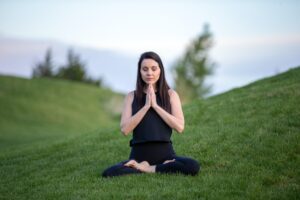
Starting a meditation practice may seem daunting at first, but it can be easily incorporated into our daily routine with a few simple steps. First, find a quiet and comfortable space where you can meditate without distractions. This could be a corner of your home, a park, or any place where you feel at ease.
Next, decide on the duration of your meditation sessions. It’s best to start with shorter sessions, such as 5 or 10 minutes, and gradually increase the time as you become more comfortable. Set a timer to keep track of your meditation time, allowing yourself to fully immerse in the practice without worrying about the clock.
Once you’re settled in your chosen space, find a comfortable position, whether it’s sitting on a cushion, a chair, or even lying down. Close your eyes and begin by taking a few deep breaths, allowing yourself to relax and let go of any tension in your body to find inner peace.
As you continue to breathe, bring your attention to the sensations in your body and the rhythm of your breath. Notice any thoughts or emotions that arise, but instead of getting caught up in them, gently let them go and return your focus to your breath.
Remember, meditation is not about achieving a completely thought-free state; it’s about cultivating awareness and acceptance of our thoughts and feelings without judgment. With regular practice, you will gradually experience a greater sense of relaxation and inner peace.
Creating a tranquil meditation space
Creating a tranquil meditation space can greatly enhance your practice and facilitate a relaxed state of mind and body. Choose a space that is free from clutter and distractions, allowing you to fully immerse yourself in the present moment. Decorate your space with calming colors, such as soft blues or greens, and incorporate elements of nature, such as plants or natural materials, to create a sense of tranquility and inner peace.
Consider using soft lighting, such as candles or dimmed lamps, to create a warm and soothing ambiance. You may also want to play gentle music or nature sounds to further enhance the peaceful atmosphere.
Additionally, make sure your meditation space is comfortable and supportive for your body. Use cushions or a meditation bench to provide adequate support for your posture. You may also want to have a blanket or shawl nearby to keep yourself warm during longer meditation sessions. Being comfortable brings inner peace.
Most importantly, make your meditation space a sacred and dedicated area for your practice. By designating a specific space for meditation, you are signaling to your mind and body that it’s time to relax and enter a state of inner peace.
Incorporating meditation into your daily routine
To fully reap the benefits of meditation, it’s important to incorporate it into your daily routine. Start by setting aside a specific time each day for your meditation practice. This could be in the morning to set a positive tone for the day, during your lunch break to recharge and refocus, or in the evening to unwind and prepare for a restful sleep.
Consistency is key when it comes to meditation. Aim to meditate for at least 5-10 minutes every day, gradually increasing the duration as you feel more comfortable. By making meditation a regular part of your routine, you will create a positive habit and experience the cumulative benefits of inner peace over time.
It can also be helpful to link your meditation practice with an existing habit or activity. For example, you could meditate immediately after brushing your teeth or before your morning cup of tea. By associating meditation with a specific cue, you are more likely to follow through with your practice and make it a seamless part of your daily life.
Remember, meditation is a personal journey, and what works for one person may not work for another. Find a routine that suits your lifestyle and preferences, and be gentle with yourself as you establish your practice. Embrace each meditation session as an opportunity to reconnect with yourself and cultivate inner peace.
Meditation for focus and clarity
In addition to promoting relaxation, meditation is a powerful tool for enhancing focus and clarity. In our increasingly distracted world, where our attention is constantly pulled in multiple directions, meditation can help us develop the ability to concentrate and stay present.
By training our mind to focus on the breath or a specific object of meditation, we are strengthening our attention muscle. This allows us to be more present and engaged in our daily activities, whether it’s studying, working, or simply having a conversation with a loved one.
Moreover, meditation has been shown to improve cognitive function and decision-making. When we meditate, we activate the prefrontal cortex, the part of the brain responsible for executive functions. This enhances our ability to think critically, make clear-headed decisions, and solve problems more effectively.
By incorporating regular meditation into your routine, you will notice an increased ability to stay focused, concentrate for longer periods, and approach tasks with a clear and calm mind. This, in turn, will enhance your productivity and overall well-being – Inner peace.

Making Composed Decisions Through Meditation
In our fast-paced and complex world, we are often faced with numerous decisions on a daily basis. Making decisions can be stressful and overwhelming, especially when we are bombarded with information and conflicting opinions. Meditation offers a powerful tool to navigate this decision-making process with composure and clarity.
When we meditate, we cultivate a state of mindfulness – a non-judgmental awareness of the present moment. This allows us to detach ourselves from the constant stream of thoughts and emotions that can cloud our judgment. By stepping back and observing our thoughts and feelings without getting caught up in them, we gain a new perspective and clarity of mind.
Moreover, meditation helps us tap into our intuition – our inner wisdom and guidance. By quieting the mind and tuning into our inner self, we can access deeper insights and make decisions that align with our values and aspirations. This allows us to approach decision-making with a sense of calm and confidence, knowing that we are making choices that are true to ourselves.
When faced with a challenging decision, take a few moments to pause and meditate. Find a quiet space where you can sit comfortably and focus on your breath. Allow your thoughts to come and go without attachment, and trust that the answers will arise naturally from within.
Meditation resources for guided meditation and mindfulness apps
If you’re new to meditation or looking to deepen your practice, there are numerous resources available to guide you on your journey. Guided meditations, in particular, can be a helpful tool for beginners, as they provide step-by-step instructions and support in cultivating a relaxed state of mind and body.
There are various platforms and apps that offer a wide range of guided meditations to suit different needs and preferences. Some popular options include Insight Timer, Headspace, Calm, and 10% Happier. These apps provide guided meditations of various lengths and themes, allowing you to choose the practice that resonates with you.
Additionally, there are numerous books and online resources that delve into the theory and practice of meditation for inner peace. Some recommended books include “The Miracle of Mindfulness” by Thich Nhat Hanh, “Wherever You Go, There You Are” by Jon Kabat-Zinn, and “The Power of Now” by Eckhart Tolle. These resources offer valuable insights and techniques to deepen your meditation practice and cultivate inner peace.
Remember, the key is to find resources that resonate with you and support your unique meditation journey. Explore different options, listen to your intuition, and trust that the right guidance and inner peace will come your way.
Conclusion: Embracing inner peace through meditation
In our hectic and demanding world, finding inner peace and relaxation is essential for our overall well-being. Meditation offers a powerful tool to unlock this inner peace, allowing us to cultivate a relaxed mind and body.
Through regular meditation practice, we can experience a wide range of benefits, including stress reduction, improved sleep, inner peace and enhanced mental well-being. Scientific evidence supports the transformative effects of meditation on the brain and body, highlighting its holistic benefits.
By exploring different meditation techniques and creating a tranquil meditation space, we can establish a consistent practice that aligns with our preferences and lifestyle. Incorporating meditation into our daily routine enhances our focus, clarity, and decision-making abilities, allowing us to navigate life’s challenges with composure and confidence.
Whether you’re a beginner or an experienced meditator, there are numerous resources available to support your meditation journey and find inner peace. Guided meditation apps, books, and online resources offer valuable guidance and insights to deepen your practice.
Embrace the power of meditation and unlock the inner peace that resides within you. With each meditation session, you are taking a step closer to a relaxed mind and body, embracing a life filled with tranquility and well-being.

About Debz Louise
Debz Louise is a UK-based lifestyle expert and the founder of several lifestyle blogs, including Wannabe Princess and Under 5s. Specializing in everything from interior design and home renovation to body-positive fashion and early years development,