Wildlife gardening is a great way to connect with nature and can be very rewarding. The type of garden needed is known as a wildlife garden, one which can provide a home to birds, insects, and other animals and can help to support the local ecosystem. In this article, we’ll look at how to create a wildlife garden and provide tips on how to encourage wildlife to visit.
Introduction to Wildlife Gardening
Wildlife gardening is a type of gardening that focuses on creating an environment that is specifically designed to attract, feed, and shelter different species of wildlife. It involves selecting the right plants and creating a habitat that will support the needs of the wildlife you are hoping to attract. The goal is to create a garden that is beneficial to both the wildlife and the gardener.
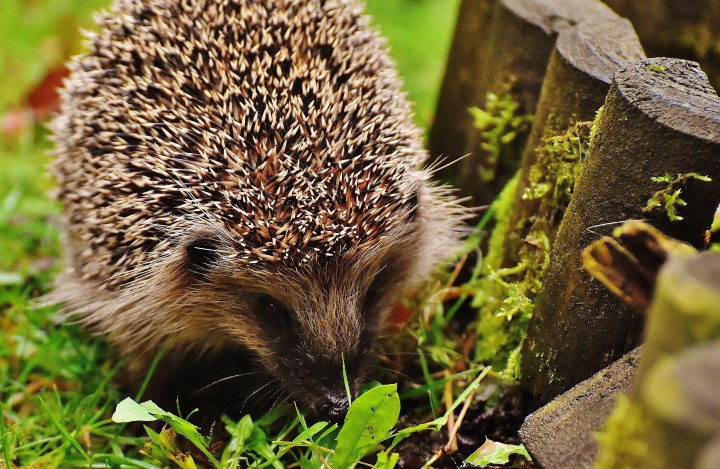
Wildlife gardening has been growing in popularity in recent years, as more people become aware of the importance of protecting and preserving the environment. It can be a great way to get involved in conservation and make a real difference for the environment.
Benefits of Wildlife Gardening
There are many benefits to creating a wildlife garden. Not only does it provide a habitat for animals and insects, but it can also help to improve the overall health of the local environment. A well-designed wildlife garden can help to support biodiversity, reduce pollution, and improve soil quality. It can also provide a great way to connect with nature and observe wildlife in your own backyard.
Wildlife gardening can also provide a number of benefits for the gardener. It can be a great way to attract pollinators to your garden, which can help to increase the yields of fruits and vegetables. It can also provide a great way to reduce pests, as many beneficial insects will help to keep damaging insect populations in check.
Wildlife Garden Planning
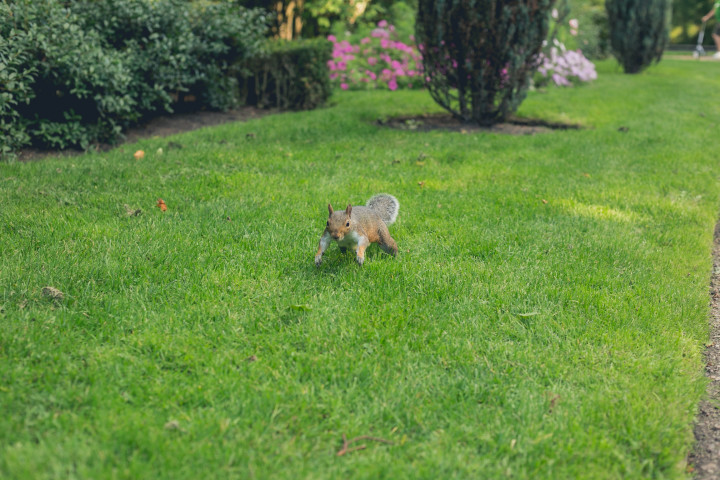
When planning your wildlife garden, it’s important to consider the needs of the wildlife you are hoping to attract. Start by researching the local wildlife in your area and determine which species you would like to attract. Consider the types of plants that would be beneficial for the wildlife you are hoping to attract and plan your garden accordingly.
It’s also important to consider the size and shape of your garden when planning. If you have a large garden, it’s a good idea to create different zones to provide a variety of habitats for different species of wildlife. It’s also important to consider the types of materials you will be using in your garden. Natural materials such as logs, rocks, and sand can provide great habitats for many species of wildlife.
Plants to Attract Wildlife
When selecting plants for your wildlife garden, it’s important to consider the needs of the wildlife you are hoping to attract. Different species of wildlife have different needs, so it’s important to select plants that will provide food, shelter, and nesting sites for the species you are hoping to attract.
Native plants are a great choice for wildlife gardens, as they are adapted to local conditions and provide the best habitat for local wildlife. If you are not sure which plants to select, there are many resources available that can help you determine which plants are best suited to your area.
Creating a Wildlife-Friendly Environment
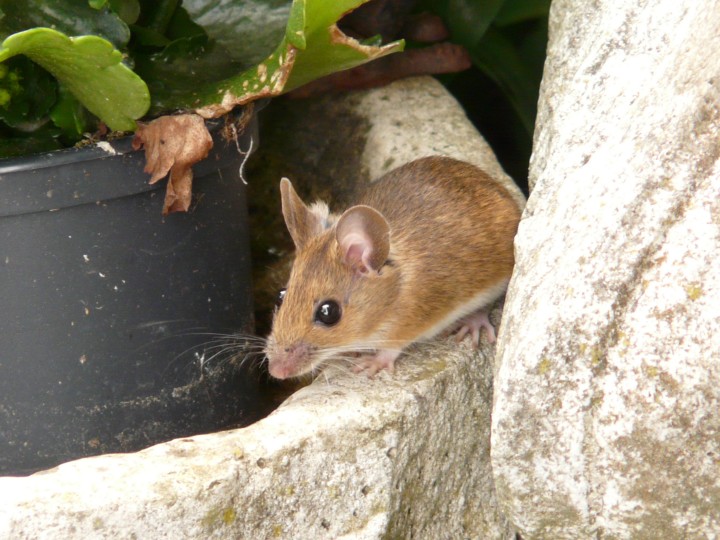
Once you have selected the plants for your wildlife garden, it’s important to create a wildlife-friendly environment. This can include providing water sources, such as birdbaths or shallow ponds, and providing hiding places, such as logs or rocks. You can also provide nesting boxes for birds and other animals.
It’s also important to avoid using chemical pesticides and fertilizers, as these can be harmful to wildlife. Instead, use natural alternatives, such as companion planting or mulching. It’s also important to provide a source of food, such as bird feeders or nectar-producing flowers.
Best Practices for Wildlife Gardening
When gardening for wildlife, it’s important to follow best practices to ensure that your garden is beneficial to the environment. It’s important to avoid using invasive plants, as they can crowd out native plants and disrupt the local ecosystem. It’s also important to avoid disturbing wildlife, such as nesting birds, and to provide them with a safe environment.
It’s also important to keep your garden tidy and free of debris. This will help to prevent pests from taking up residence in your garden and will also provide a safe environment for the wildlife you are hoping to attract.
Tips for Encouraging Wildlife to Visit Your Garden
Once your wildlife garden is up and running, there are a few things you can do to encourage wildlife to visit. Start by providing a variety of food sources, such as bird feeders and nectar-producing flowers. Offering a variety of food sources will attract a variety of wildlife species.
It’s also important to provide shelter, such as nesting boxes and shrubs. This will provide protection from predators and will make your garden more attractive to wildlife. Finally, it’s important to provide water sources, such as shallow ponds or birdbaths. This will provide a source of water for wildlife and can help to attract even more wildlife to your garden.
Common Wildlife Species to Attract
When planning your wildlife garden, it’s important to consider the types of wildlife you are hoping to attract. Different species of wildlife have different needs, so it’s important to select plants and create habitats that will meet the needs of the species you are hoping to attract.
Common wildlife species that can be attracted to gardens include birds, butterflies, bees, and other insects. Other species, such as frogs, toads, and small mammals, can also be attracted to gardens. Each species has different needs, so it’s important to select plants and create habitats that will meet the needs of the species you are hoping to attract.
A great resource for birds and their needs is the RSPB, whos site has some excellent advice for the wildlife gardener.

Wildlife Gardening Resources
If you’re looking for more information on wildlife gardening, there are many resources available. You can find books, websites, and magazines dedicated to wildlife gardening that can provide valuable information and tips.
Your local nursery or garden centre can also provide valuable advice and can help you select the right plants for your wildlife garden. You can also contact a wildlife conservation organization in your area for advice and tips on attracting wildlife to your garden.
Conclusion
Wildlife gardening is a great way to connect with nature and to help protect and preserve the local environment. By creating a garden that is designed to attract and support different species of wildlife, you can make a real difference for the environment. With the right planning and a little bit of effort, you can create a wildlife garden that will be beneficial to both the wildlife and the gardener.
Wildlife gardening is a rewarding and enjoyable experience and can provide a great way to connect with nature. So why not give it a try and see what kind of wildlife you can attract to your garden!

About Debz Louise
Debz Louise is a UK-based lifestyle expert and the founder of several lifestyle blogs, including Wannabe Princess and Under 5s. Specializing in everything from interior design and home renovation to body-positive fashion and early years development,