In today’s fast-moving world, the spaces we spend time in matter more than ever. Most homes are designed around efficiency with streamlined layouts, smart technology, and constant functionality. Outdoor spaces, however, offer something entirely different: an opportunity to slow down.
A greener garden isn’t just visually appealing. It can transform the way you relax, recharge, and experience everyday life.
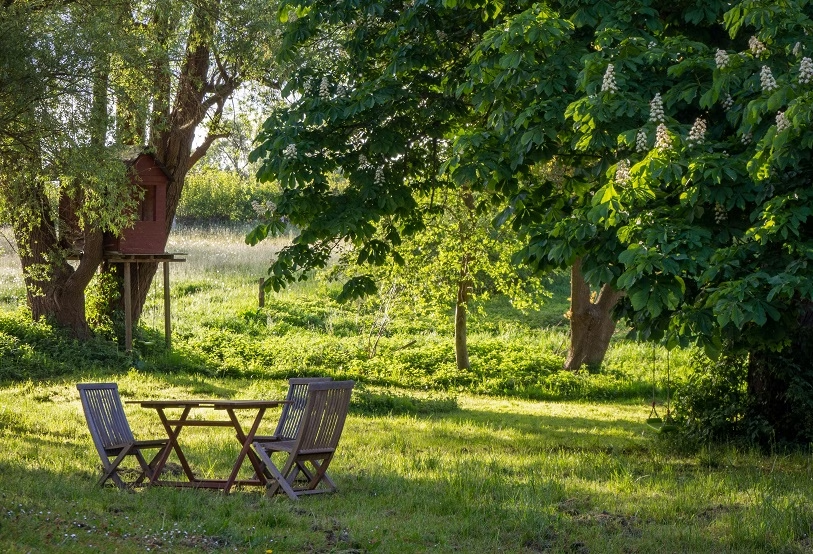
The Role of a Greener Garden as an Outdoor Space
A Garden to Balance Modern Life
Modern life rarely pauses. Constant notifications, busy schedules, and endless screen time create a lingering sense of urgency. A thoughtfully designed garden can act as a much-needed counterbalance to that pace.
Unlike indoor environments filled with artificial lighting and digital distractions, gardens reconnect us with natural light, fresh air, and quieter surroundings. Even a few minutes outdoors can help reset your mindset, reduce tension, and encourage a greater sense of calm.
How Greenery Affects the Way We Feel
Nature has a powerful effect on emotional wellbeing. Trees, flowers, grass, and other natural elements have long been associated with reduced stress levels and improved mood. The colour green itself is often linked to balance, restoration, and relaxation.
A garden filled with varied plants, textures, and layers creates an immersive environment, somewhere you can truly experience rather than simply observe. Even a single potted plant can brighten a corner and bring life into a space.
Of course, maintaining greenery requires regular care. Installing water tanks to collect and store rainwater can make watering more sustainable and ensure plants stay healthy throughout warmer months.
Designing for Form, Not Just Style
Many modern gardens are designed primarily for appearance, focusing on clean lines, symmetry, and visual impact. While these features can look impressive, a calming garden prioritises how the space feels rather than how perfect it appears.
A few thoughtful design choices can encourage a slower, more peaceful atmosphere:
- Soft boundaries – Tall plants and hedges create privacy and a sense of retreat.
- Layered planting – Combining different heights, colours, and textures adds depth and draws the eye naturally through the space.
- Natural materials – Wood, stone, and gravel help the garden feel grounded and organic.
- Curved pathways – Gentle, winding paths encourage wandering instead of hurried movement.
Dividing Up a Garden Space
One of the most effective ways to design a relaxing garden is to divide it into smaller zones, each serving a different purpose. This creates variety and allows the space to adapt to different moods and moments.
You might include:
- A shaded seating area for quiet reflection
- A sunny corner for morning coffee
- A small untamed section left for wildlife
- A fragrant herb garden filled with lavender or rosemary
These smaller environments encourage you to interact with the garden in different ways, turning it into more than just a static outdoor area.
How Sound and Movement is Important
A calming garden appeals to more than just the eye. Sound and movement also shape how a space feels.
Consider the gentle sounds of:
- Leaves rustling in the breeze
- Water flowing from a fountain or small feature
- Birds visiting feeders or nesting nearby
Movement adds another layer of calm. Swaying grasses, shifting shadows, and changing light patterns create subtle reminders that time is passing naturally.
It Doesn’t Have to be Perfect
One of the biggest obstacles to creating a peaceful garden is the expectation that it must always look perfectly maintained. Ironically, this pressure can turn gardening into another source of stress.
A slower, greener garden embraces a little wildness. Plants grow at their own pace, seasonal changes are welcomed, and some areas are left less controlled. This not only reduces maintenance demands but also creates a space that feels more authentic, relaxed, and alive.
Make the Garden Fit Your Personality
The best garden is one that reflects your own personality and lifestyle. Some people feel most relaxed in minimalist spaces with clean simplicity, while others prefer lush, jungle-like surroundings filled with colour and texture.
When planning your garden, ask yourself:
- Where do I naturally feel most relaxed?
- Do I prefer open spaces or enclosed corners?
- What time of day will I use the garden most often?
Designing around how you want to feel will naturally shape the way the garden looks in the end.

About Debz Louise
Debz Louise is a UK-based lifestyle expert and the founder of several lifestyle blogs, including Wannabe Princess and Under 5s. Specializing in everything from interior design and home renovation to body-positive fashion and early years development,