Exploring Creative Writing with Your Youngster – Creative writing helps children strengthen their communication skills and share their ideas. It’s a skill they will ultimately need for everyday life and throughout their academic journey. To work on this area with your youngster, we have tips and activities put together by an independent school in Surrey.

Creative Writing – Think of a Topic
Firstly, what you want to do is identify a topic they can easily write about. That might be a hobby they have such as football, a favourite TV show or celebrity. Either way, it will need to be something that they are passionate about.
Creative Writing – Form of Literature
There are various forms writing can take. Children can practice writing letters, poems, novels and much more. Each of course must be written slightly differently, such as letters for example that must be correctly formatted and written in formal language. Techniques also vary as poems are a more artistic form of writing and can be rhymed.
Creative Writing – Enhance Their Vocabulary
Introducing new words to a child’s vocabulary can help them immensely with their writing skills as it gives them flexibility when constructing sentences and allows them to communicate themselves effectively. Reading is known to be the fastest way that children can grow their dictionary and it can also be improved through the range of words you use.
Creative Writing – SPAG
Spelling, punctuation, and grammar are vital for any form of writing as it allows others to read and clearly understand what’s being said. Again, this is something that we would recommend reading for as children can learn new words and become familiar with how sentences are structured.
Activities to Practice Creative Writing with Children
Story Writing
If your child fancies having a go, they can write their own short story. To make it an easier task, work on constructing a skeleton and plot beforehand so they know exactly what they are going to write.
Song Writing
Another form of creative writing to explore is song writing. It incorporates two different parts of the curriculum and allows children to really be creative and express themselves through their work. It also gets them to think a little harder as they will need to ensure that everything flows and rhymes.
Journaling
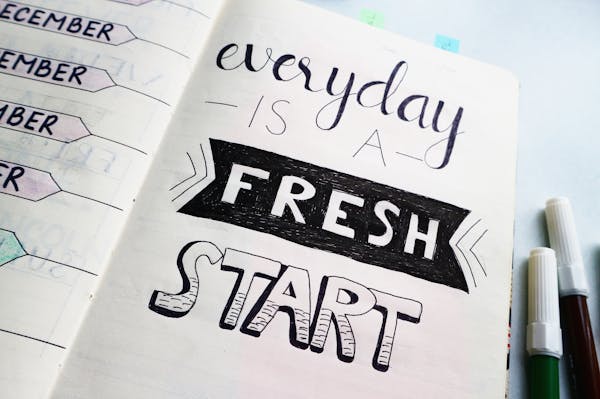
Keeping a journal also gives children practice as it’s a means for them to expel their thoughts and be as creative as they like with their words.
These are just a few tips on how you can help your child with their creative writing. From taking a look at the advice we’ve shared you will notice that there’s a common theme and that is the great benefit reading can have on their writing and overall English skills. To help we’d recommend finding time for your child to read to you and vice versa.
*Collaborative post

About Debz Louise
Debz Louise is a UK-based lifestyle expert and the founder of several lifestyle blogs, including Wannabe Princess and Under 5s. Specializing in everything from interior design and home renovation to body-positive fashion and early years development,