Support Your Child’s Emotional Health – In a fast-paced world filled with screens, schedules, and stimulation, it’s easy to overlook the power of play. But when it comes to children’s emotional wellbeing, playtime isn’t just a break from learning—it is learning. More than just fun and games, toys can play a pivotal role in shaping your child’s mental health, helping them build confidence, express feelings, and develop resilience.
This article explores how thoughtful toy choices can nurture your child’s emotional growth, reduce anxiety, and create an environment where they feel safe, supported, and seen.
Support Your Child’s Emotional Health

Why Emotional Health Matters
Children, like adults, experience a wide range of emotions—joy, sadness, frustration, excitement, and fear. But unlike adults, they often lack the vocabulary or experience to fully understand or express those emotions. That’s where play becomes so powerful. It offers a safe space where children can explore feelings without judgement, process experiences, and practise the social skills they’ll carry into adulthood.
Supporting emotional health early on helps lay the foundation for stronger relationships, better problem-solving skills, and improved self-regulation later in life.
The Link Between Toys and Emotional Development
Toys are tools—some might even say bridges—between a child’s inner world and the outer one. When chosen with intention, they can support key areas of emotional development, including:
- Self-expression: Toys like dolls, puppets, or role-play sets allow children to act out scenarios and express feelings they may struggle to articulate.
- Stress relief: Physical play, such as jumping on a trampoline, helps release pent-up energy and reduce anxiety.
- Creativity and control: Open-ended toys like building blocks or art supplies give children the freedom to make choices and see their ideas come to life.
- Social skills: Board games, soft toys, and pretend play items encourage cooperation, empathy, and communication.
Now let’s dive into some specific toy choices that can gently boost emotional wellbeing.
1. The Trampoline: A Bouncy Boost to Mental Health
You might think of a trampoline as just a high-energy activity, but its mental health benefits are surprisingly profound. Bouncing stimulates the vestibular system, which helps regulate balance and coordination. More importantly, it provides a form of physical release that can help with emotional regulation.
Children who struggle with anxiety, ADHD, or sensory processing issues often benefit from the rhythmic, repetitive motion of bouncing. It can act as a calming activity or an energising one, depending on what the child needs in that moment.
Beyond that, it’s simply joyful. Few things light up a child’s face more than the sheer freedom of flight—even if just for a second. And in that happiness lies a real opportunity for emotional connection and relief.
Tip: If outdoor space is limited, consider a mini indoor trampoline. It’s just as effective, and children love having it as part of their everyday routine.
2. Jeux d’intérieur: Indoor Play with a Purpose
Indoor toys, or jeux d’intérieur, offer wonderful opportunities for mindful play—especially when the weather keeps kids inside. The key is to select toys that encourage imagination, emotional expression, and self-soothing.
Here are a few excellent choices:
- Pretend play sets (e.g., kitchens, tool benches, shops): These let children act out real-life scenarios, helping them process emotions and understand the world.
- Puppet theatres: Puppets can give children a safe way to talk about feelings or difficult experiences. A child may find it easier to say, “The bear is scared,” than to admit their own fears.
- Sensory toys: Think kinetic sand, play dough, or textured mats. These not only provide calming tactile stimulation but also help children stay grounded in the present moment.
- Indoor climbing frames: These allow for gentle physical release when outside play isn’t possible, supporting both emotional and physical health.
Bonus: Many jeux d’intérieur are great for shared play, which enhances empathy and helps children learn how to take turns, resolve conflict, and communicate with others.
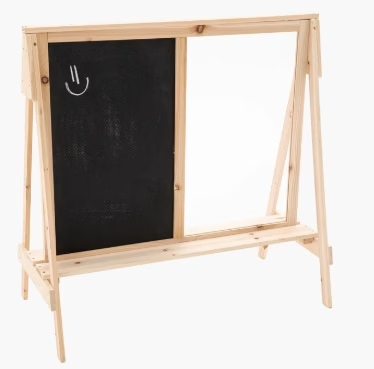
3. Creative Expression: Art Supplies and Music
Artistic toys allow children to communicate what they can’t always say in words. Crayons, markers, paints, and clay all invite free expression. Through drawing or sculpting, children often reveal emotions they didn’t even know they were carrying.
Music, too, can be deeply therapeutic. A toy piano, ukulele, or a simple drum can offer an emotional outlet, improve concentration, and support self-esteem. And even if it’s loud, it’s also learning—and listening.
4. Soft Toys and Dolls: Comfort in Companionship
For many children, soft toys are more than just stuffed animals—they’re friends, confidants, and sources of comfort. They play a particularly important role in emotional development, offering a safe “person” to talk to, nurture, or even project feelings onto.
Similarly, dolls—whether babies, action figures, or fantasy characters—help children explore relationships and understand emotions. Dressing them, talking to them, or taking care of them allows children to practise empathy and feel in control of their world.
5. Board Games and Turn-Taking Toys
Games that involve turn-taking, strategy, or cooperation can help children develop emotional patience, resilience, and fairness. Whether it’s handling losing with grace or navigating the ups and downs of teamwork, these types of toys encourage valuable emotional growth.
Look for games with simple rules that allow for lots of interaction. Bonus points if the game can be played with parents or siblings—it strengthens family bonds and creates space for gentle conversations.
How Parents Can Encourage Mindful Play
Choosing the right toys is only half the story. How we support our children during play matters just as much. Here are a few ways you can encourage emotionally healthy playtime:
- Be present: Sit with your child during play, even if they’re leading the activity. Your attention shows them they’re valued.
- Label emotions: When a toy character feels sad or angry, help your child name the emotion. This builds emotional vocabulary.
- Ask open-ended questions: “Why do you think the bear is hiding?” or “How does the princess feel now?” prompts reflection and emotional insight.
- Avoid over-directing: Let your child explore on their own terms. Open-ended play nurtures creativity and self-trust.
- Model emotional language: Talk about your own emotions in age-appropriate ways. Children learn emotional literacy by example.
Final Thoughts
When it comes to mental health, prevention is just as vital as cure. Encouraging mindful play through thoughtful toy choices can set the stage for a happier, healthier child—not just now, but well into the future.
Whether it’s the exhilarating bounce of a trampoline or the quiet focus found in jeux d’intérieur, each toy has the potential to do more than entertain. It can heal, empower, and teach. And in a world where children face growing pressures from every direction, that kind of play is anything but frivolous—it’s essential.

About Debz Louise
Debz Louise is a UK-based lifestyle expert and the founder of several lifestyle blogs, including Wannabe Princess and Under 5s. Specializing in everything from interior design and home renovation to body-positive fashion and early years development,