Strategies for a Tidier Home – The beginning of the year often brings a sense of reset, change, and renewed determination. If you’ve been living with clutter, you might be seeking ways to improve your life. Whether it’s due to too many belongings, a growing family, or simply a lack of organisation, you may find yourself needing to reclaim space. Here are some practical ideas to help you create a more organised and inviting living environment.
Key Takeaways: Simple Strategies for a Tidier Home
The “Bite-Sized” Method: Don’t try to declutter the whole house at once. Focus on one drawer or a single shelf to prevent overwhelm and build momentum.
Utilize Vertical Space: When floor space is limited, look up. High shelving and storage on tops of cabinets are often overlooked areas that can house rarely-used items.
The “One-In-One-Out” Furniture Rule: Invest in multi-functional pieces like ottomans with hidden compartments or sofa beds to maximize functionality without adding bulk.
Clear Visibility: Use clear storage boxes with labels. This prevents “rummaging” and helps every family member know exactly where things belong.
The “Daily Surface Reset”: Spend just two minutes at the end of each day clearing horizontal surfaces like kitchen counters and dining tables to prevent them from becoming dumping grounds.
The “Digital Memory” Hack: For sentimental items that are hard to let go of, take a high-quality photo of them. You preserve the memory without the physical clutter taking up room.
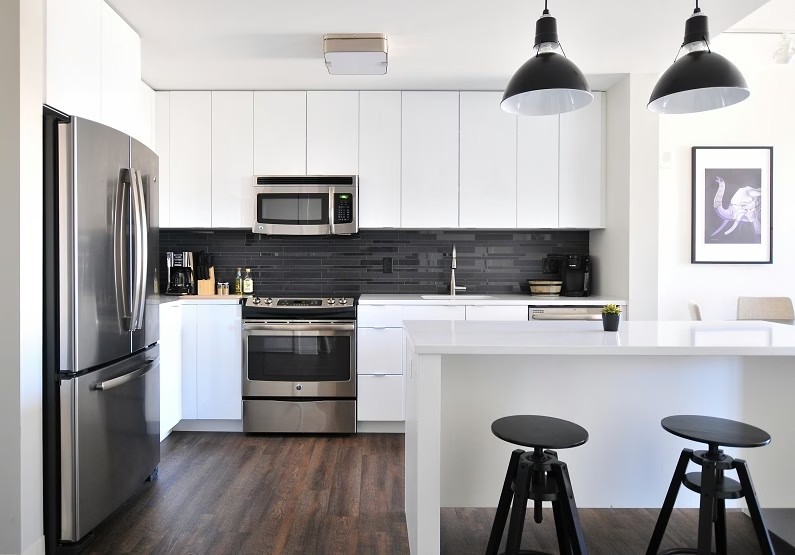
Strategies for a Tidier Home
Start with Decluttering
It’s always the first step in reclaiming your space. Go through each room, focusing on one area at a time, even just a drawer or a single shelf. Getting started is often the hardest, and taking it in bite-sized chunks helps prevent overwhelm. Sorting through your belongings helps you decide what to keep or throw away. Using a local self storage facility can lighten your decision load, so it’s easier to make space without fear of later regret.
Invest in Smart Storage Solutions
After decluttering, think about how to store the items you want to keep. For example, consider buying furniture that doubles as storage, such as ottomans with hidden compartments or sofa beds for occasional guests. These pieces save space while also being practical. Shelves that go up high on the walls can add extra storage without taking away from floor space, and don’t forget the areas that are often overlooked, like under the bed or on the tops of cabinets.
Organise What Keep at Home
Reorganising is just as important as decluttering. Assign specific places for different items so everything has a home. This makes finding what you need easier and encourages everyone in the family to keep things tidy. Using clear boxes and labelling them for smaller items can help you locate things without rummaging around.
Repurpose Unused Rooms
If certain rooms in your home are not being used, consider repurposing them. For example, a spare bedroom can become your home office or a craft room if you have a sofa bed elsewhere in the house for an occasional overnight guest. Transforming these spaces can help make your home feel more functional and can even inspire you to spend more time there. The key is to think about what you truly need and adapt the space accordingly.
Tidy Up Horizontal Surfaces
Surfaces like kitchen counters and dining tables or sideboards can quickly become dumping grounds. Try to set a daily routine to clear these areas by taking just a couple of minutes at the end of each day to put items where they really belong. Encourage everyone else to do the same for their personal items.
Manage Children’s Belongings
Toys can take over everywhere almost behind your back. Have designated storage spaces like colourful baskets or bins. Even in the living room, having a basket full of toys is tidier than having them all over the floor. It can make cleaning up more fun too, and it’s easier to get little ones to put things away. Teaching kids to organise their belongings sets them up for success as well as helping you keep a neater home.
Handle Sentimental Items Wisely
Sentimental items can be particularly challenging to sort through. When it’s hard to decide whether to keep or let go of these items, consider a simple approach: take photos of them. This way, you preserve the memory without keeping the physical object. You could also create a memory box for the most cherished keepsakes, limiting how much you need to find display areas for, especially when those special things don’t fit in with your décor.
Embrace Minimalism
This doesn’t mean getting rid of everything but rather focusing on keeping only the items that truly matter to you. By reducing how much you own, you’ll simplify your living space and make it feel less crowded.
Get Creative with DIY Projects
Instead of buying new furnishings or decorations, consider how you could reuse or repurpose items. DIY projects can help transform old items into something new and functional, adding a personal touch to your home. Ideas could include turning a bedside cabinet into a printing station for the home office, or using a tall bookcase as a room divider.
Reclaiming space is a journey rather than a destination, and can feel daunting. Take it in stages, doing just one thing at a time, and take a break if you start feeling emotional or frustrated. When there are items, collections, heirlooms or other possessions you can’t decide on, rent a storage locker or unit to use as a holding ground so you can get some breathing space.
Maintaining a tidier, less cluttered home is easier than achieving one, so keep pegging away and start the year as you mean to go on.
What is the best way to start decluttering when I feel overwhelmed?
How can I manage children's toys without them taking over the house?
Use designated, colorful storage bins or baskets that are easy for kids to reach. Making it part of a daily game or routine helps teach children organization skills. Even in main living areas, a single attractive basket for toys keeps the floor clear and makes for a much quicker evening tidy-up.

About Debz Louise
Debz Louise is a UK-based lifestyle expert and the founder of several lifestyle blogs, including Wannabe Princess and Under 5s. Specializing in everything from interior design and home renovation to body-positive fashion and early years development,